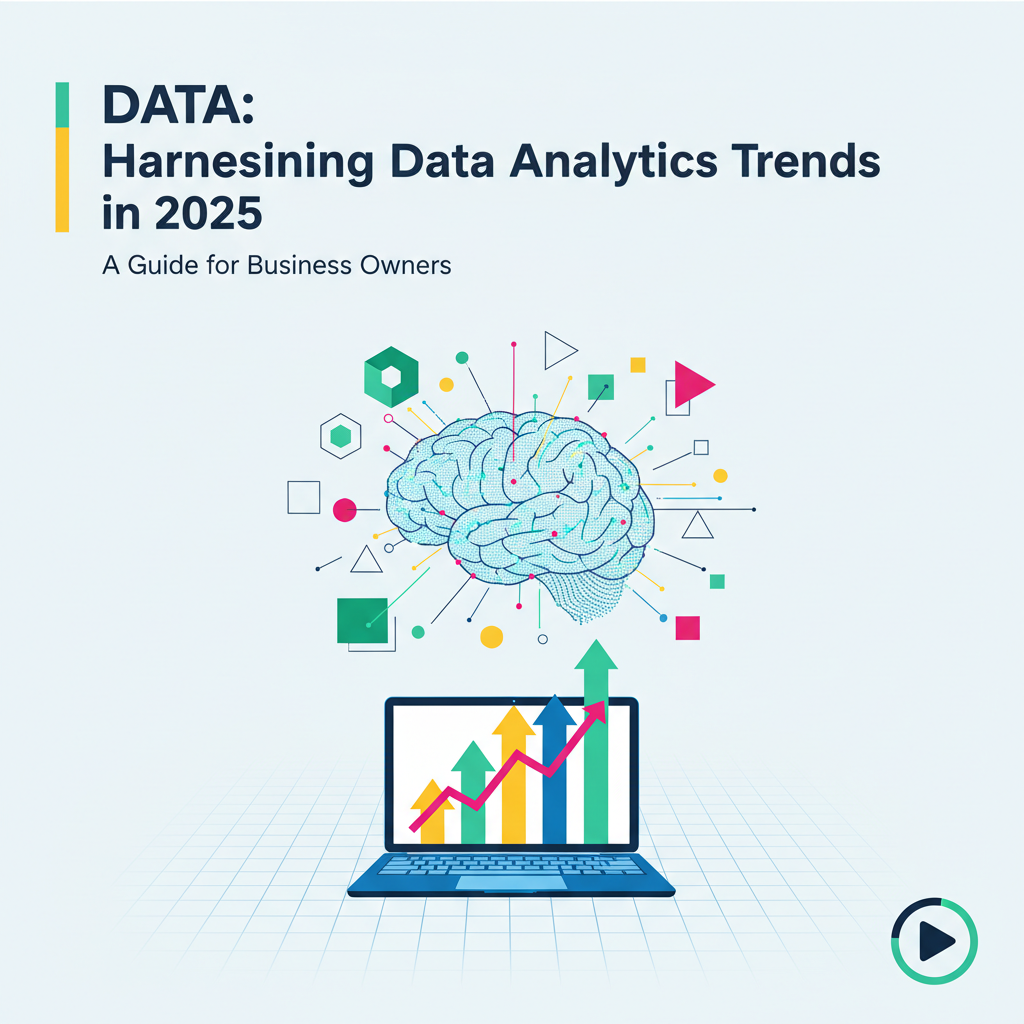
Harnessing Data Analytics Trends in 2025: A Guide for Business Owners
In 2025, the data analytics landscape is evolving rapidly, offering businesses unprecedented opportunities to enhance decision-making, operational efficiency, and customer engagement. As a business owner, staying abreast of these trends is crucial for maintaining a competitive edge.
1. Augmented Analytics: Empowering Data-Driven Decisions
Augmented analytics integrates artificial intelligence (AI) and machine learning (ML) to automate data preparation and insight generation. This approach democratizes data access, enabling non-technical users to derive actionable insights without relying on specialized skills. The global market for augmented analytics is projected to reach $60.12 billion by 2031, highlighting its growing significance. (pooled-data.com)
Actionable Takeaway:
- Invest in User-Friendly BI Tools: Adopt self-service business intelligence platforms like Tableau or Power BI to empower your team to analyze data independently.
2. Real-Time and Edge Analytics: Instant Insights at Your Fingertips
The proliferation of Internet of Things (IoT) devices and the expansion of 5G networks have made real-time data processing a necessity. Edge analytics allows data to be processed closer to its source, reducing latency and enabling faster decision-making. By 2025, it's anticipated that 75% of enterprise data will be processed at the edge. (sift-ag.com)
Actionable Takeaway:
- Implement Edge Computing Solutions: Deploy edge analytics platforms to process data locally, enhancing responsiveness and operational efficiency.
3. Data Democratization: Making Data Accessible to All
Data democratization involves providing all employees, regardless of technical expertise, with access to data and analytical tools. This trend fosters a culture of data-driven decision-making across the organization. By 2025, 74% of companies are expected to have adopted at least one no-code or low-code BI platform. (thepermatech.com)
Actionable Takeaway:
- Promote Data Literacy: Offer training programs to enhance data literacy among staff, enabling them to leverage data in their daily roles.
4. Data Fabric Architecture: Unifying Data Across Platforms
Data fabric architecture provides an integrated layer of data and connecting processes, enabling seamless data management across various platforms. This approach simplifies data integration and enhances accessibility, supporting real-time analytics and decision-making. (velosio.com)
Actionable Takeaway:
- Adopt Data Fabric Solutions: Implement data fabric architectures to unify your data sources, facilitating more efficient data management and analysis.
5. AI-Powered Predictive Analytics: Anticipating Market Trends
AI and ML are revolutionizing predictive analytics by enabling businesses to forecast trends, detect anomalies, and personalize customer experiences. This capability allows for proactive decision-making and strategic planning. (breakingac.com)
Actionable Takeaway:
- Integrate Predictive Models: Utilize AI-driven predictive analytics tools to anticipate market shifts and customer behaviors, informing your business strategies.
6. Data Security and Quality: Safeguarding Your Data Assets
As data becomes increasingly integral to business operations, ensuring its security and quality is paramount. In 2025, data security and privacy remain the leading global trends, reflecting an ongoing focus on protecting sensitive information and meeting stricter regulatory standards. (barc.com)
Actionable Takeaway:
- Implement Robust Data Governance: Establish comprehensive data governance policies to ensure data integrity, security, and compliance with regulations.
7. Cloud-Native Analytics: Scalability and Flexibility in the Cloud
Cloud-native analytics platforms offer scalability, flexibility, and cost efficiency, making them ideal for managing large datasets and dynamic workloads. These platforms are becoming standard choices for organizations modernizing their data infrastructure. (breakingac.com)
Actionable Takeaway:
- Transition to Cloud-Based Analytics: Migrate your analytics operations to cloud-native platforms to enhance scalability and reduce infrastructure costs.
8. Explainable AI (XAI): Building Trust in AI Systems
Explainable AI focuses on making AI decision-making processes transparent and understandable, which is crucial for building trust among users and stakeholders. As businesses increasingly adopt AI-driven analytics tools, ensuring that these systems' decisions are transparent and explainable is becoming particularly important. (sift-ag.com)
Actionable Takeaway:
- Prioritize Transparency in AI Models: Choose AI solutions that offer clear explanations of their outputs to foster trust and facilitate adoption within your organization.
Conclusion
The data analytics trends of 2025 present significant opportunities for businesses to enhance their operations and strategic initiatives. By embracing these trends and implementing the recommended strategies, business owners can drive growth, improve decision-making, and maintain a competitive edge in an increasingly data-driven marketplace.
Estimated Read Time: 6 minutes
Tags: augmented-analytics, real-time-analytics, data-democratization, data-fabric, predictive-analytics
Related Articles

Top 3 Data Analytics Mistakes Costing You Clients
Avoid these common data pitfalls to enhance decision-making and client satisfaction.
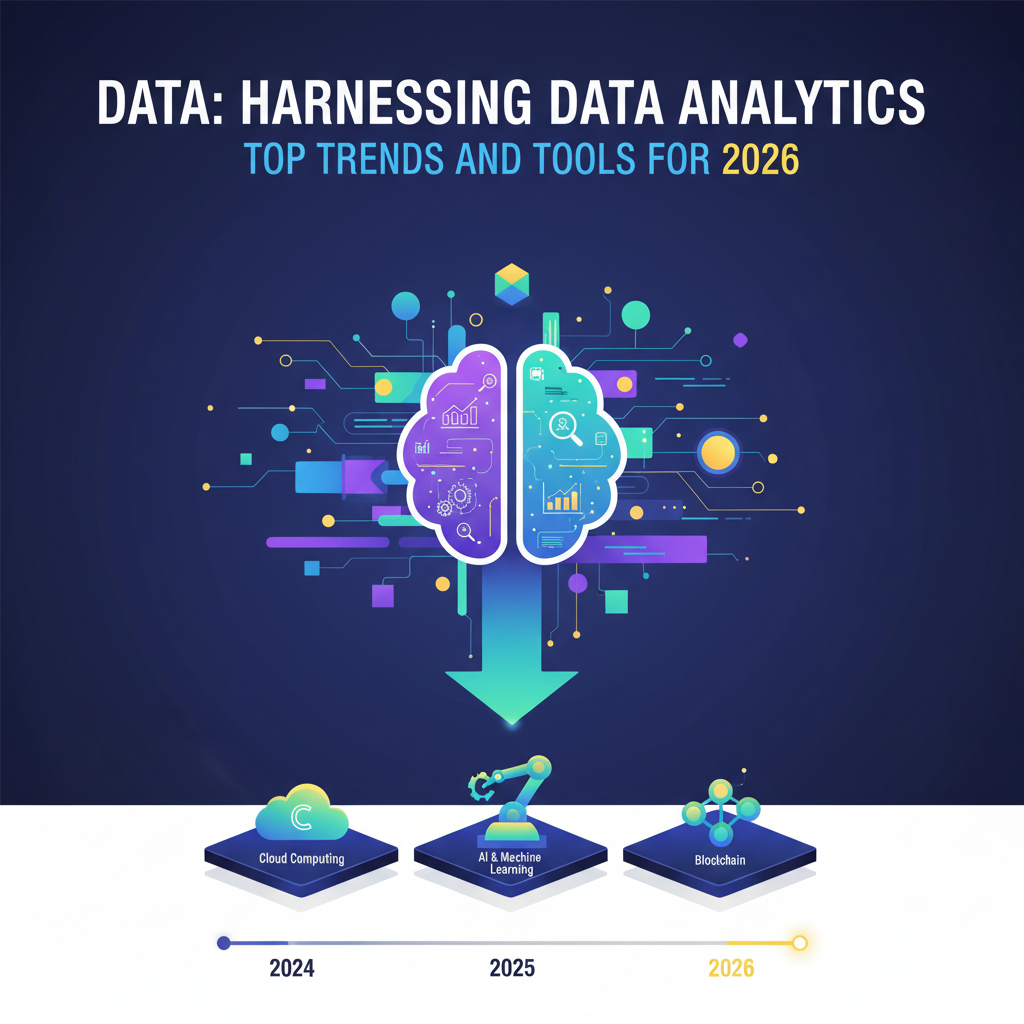
Harnessing Data Analytics: Top Trends and Tools for 2026
Explore the latest data analytics trends and tools to empower your business decisions in 2026.

Real-Time Data Analytics: Turning Insights Into Action
Learn how real-time data analytics transforms raw data into actionable business intelligence, enabling faster decision-making and competitive advantages.
Comments (0)
No comments yet. Be the first to comment!