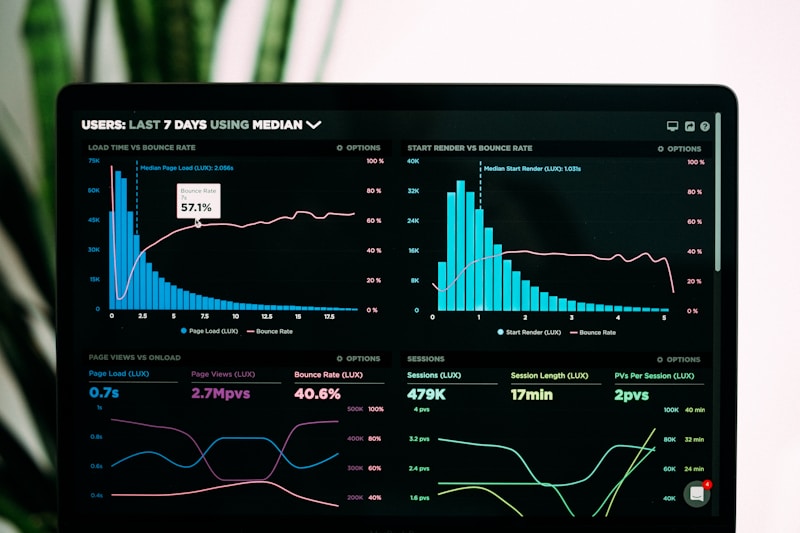
Real-Time Data Analytics: Turning Insights Into Action
Real-Time Data Analytics: Turning Insights Into Action
In the age of instant information, waiting days or weeks for data reports is no longer viable. Real-time data analytics has emerged as a critical capability for businesses that want to stay competitive and responsive to market changes.
The Power of Now
Real-time analytics processes data as it's generated, providing immediate insights that enable rapid decision-making. This capability is transforming how businesses operate across industries.
Why Real-Time Matters
Immediate Problem Detection
- Identify issues before they escalate
- Monitor system performance continuously
- Detect anomalies in customer behavior instantly
Competitive Advantage
- Respond to market changes faster than competitors
- Optimize campaigns in real-time based on performance
- Adjust pricing dynamically based on demand
Enhanced Customer Experience
- Personalize interactions based on current behavior
- Resolve issues proactively
- Deliver timely, relevant content
Key Technologies
Stream Processing Tools like Apache Kafka and AWS Kinesis enable processing of data streams in real-time, handling millions of events per second.
In-Memory Databases Redis and Apache Ignite provide lightning-fast data access, enabling sub-millisecond query responses.
Event-Driven Architecture Building systems that react to events as they occur, rather than relying on scheduled batch processing.
Implementation Framework
1. Define Critical Metrics
Identify the KPIs that require real-time monitoring:
- Customer engagement metrics
- Operational performance indicators
- Revenue and conversion tracking
2. Build Data Pipelines
Create robust pipelines that can:
- Ingest data from multiple sources
- Transform and enrich data on-the-fly
- Route data to appropriate destinations
3. Visualization and Alerting
Implement dashboards and alerts that:
- Display critical metrics in real-time
- Trigger notifications for important events
- Enable drill-down analysis for deeper insights
Use Cases by Industry
Home Services
- Real-time job scheduling optimization
- Instant customer feedback analysis
- Dynamic resource allocation
Medical Practices
- Patient flow monitoring
- Appointment optimization
- Real-time staff utilization tracking
Agencies
- Campaign performance tracking
- Client dashboard updates
- Resource utilization monitoring
Measuring Success
Track these metrics to evaluate your real-time analytics implementation:
- Decision latency reduction
- Issue resolution time improvement
- Revenue impact from faster insights
- Customer satisfaction improvements
Getting Started
- Start with One Use Case - Don't try to make everything real-time at once
- Invest in Infrastructure - Real-time requires robust, scalable systems
- Train Your Team - Ensure staff can interpret and act on real-time insights
- Iterate and Expand - Add more real-time capabilities as you see success
Conclusion
Real-time data analytics isn't just about speed—it's about making better decisions with more current information. As technology continues to evolve, the gap between data generation and actionable insights will continue to shrink, giving businesses unprecedented agility.
Related Articles

Top 3 Data Analytics Mistakes Costing You Clients
Avoid these common data pitfalls to enhance decision-making and client satisfaction.
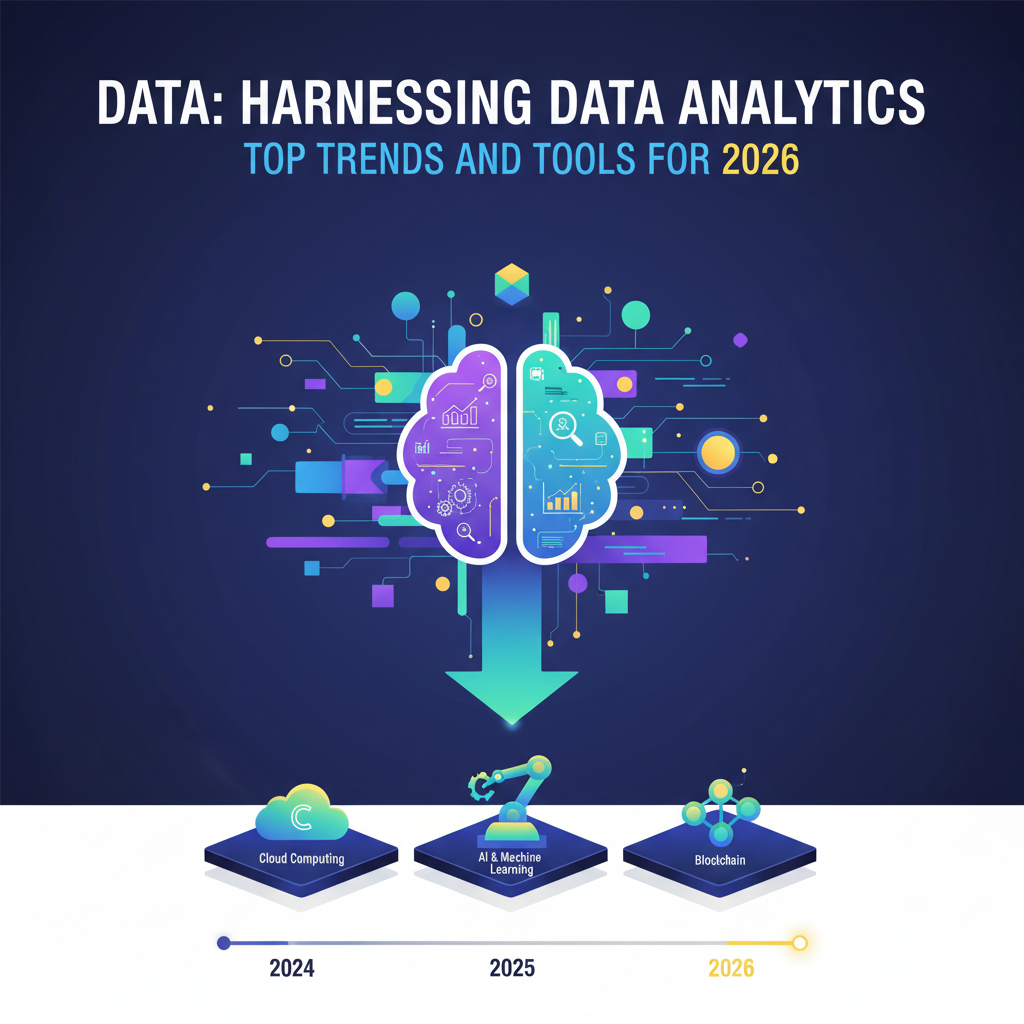
Harnessing Data Analytics: Top Trends and Tools for 2026
Explore the latest data analytics trends and tools to empower your business decisions in 2026.
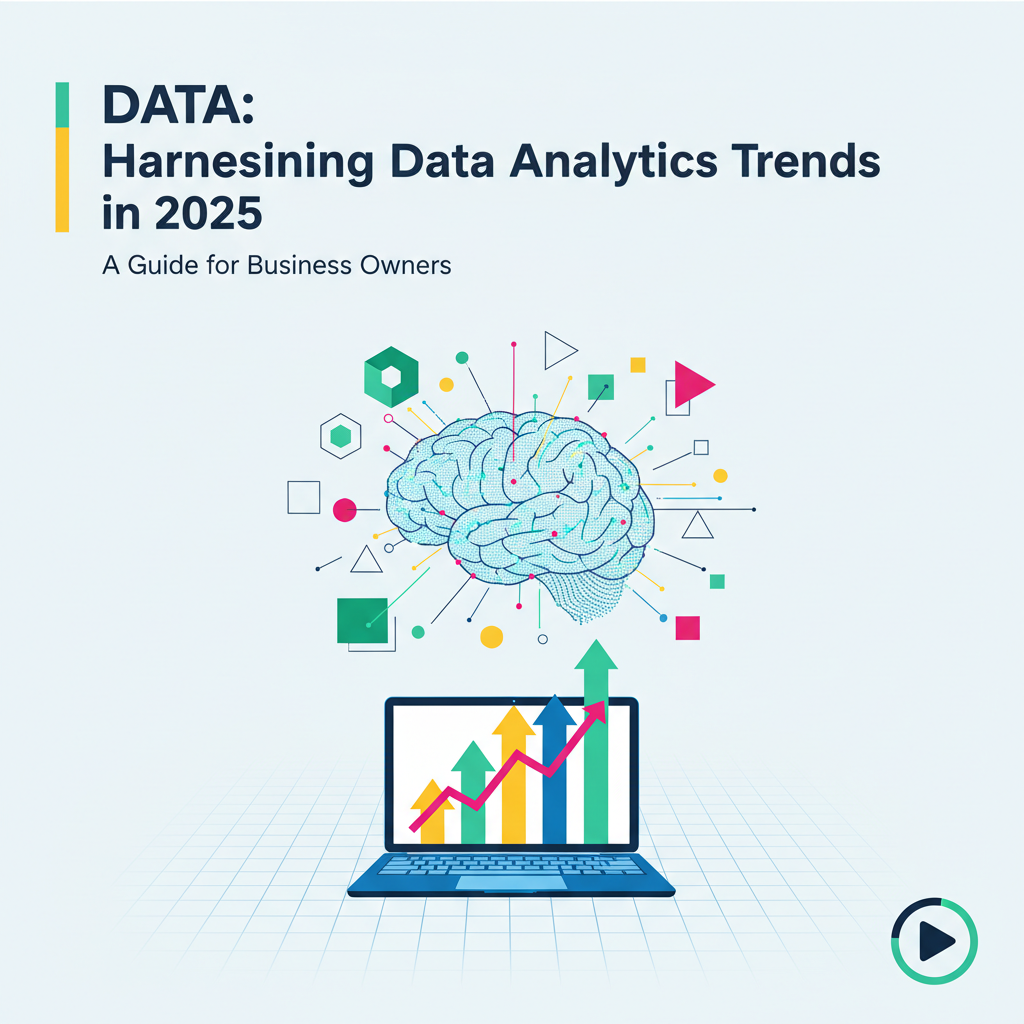
Harnessing Data Analytics Trends in 2025: A Guide for Business Owners
Explore the latest data analytics trends in 2025 and actionable strategies to leverage them for business growth.
Comments (0)
No comments yet. Be the first to comment!