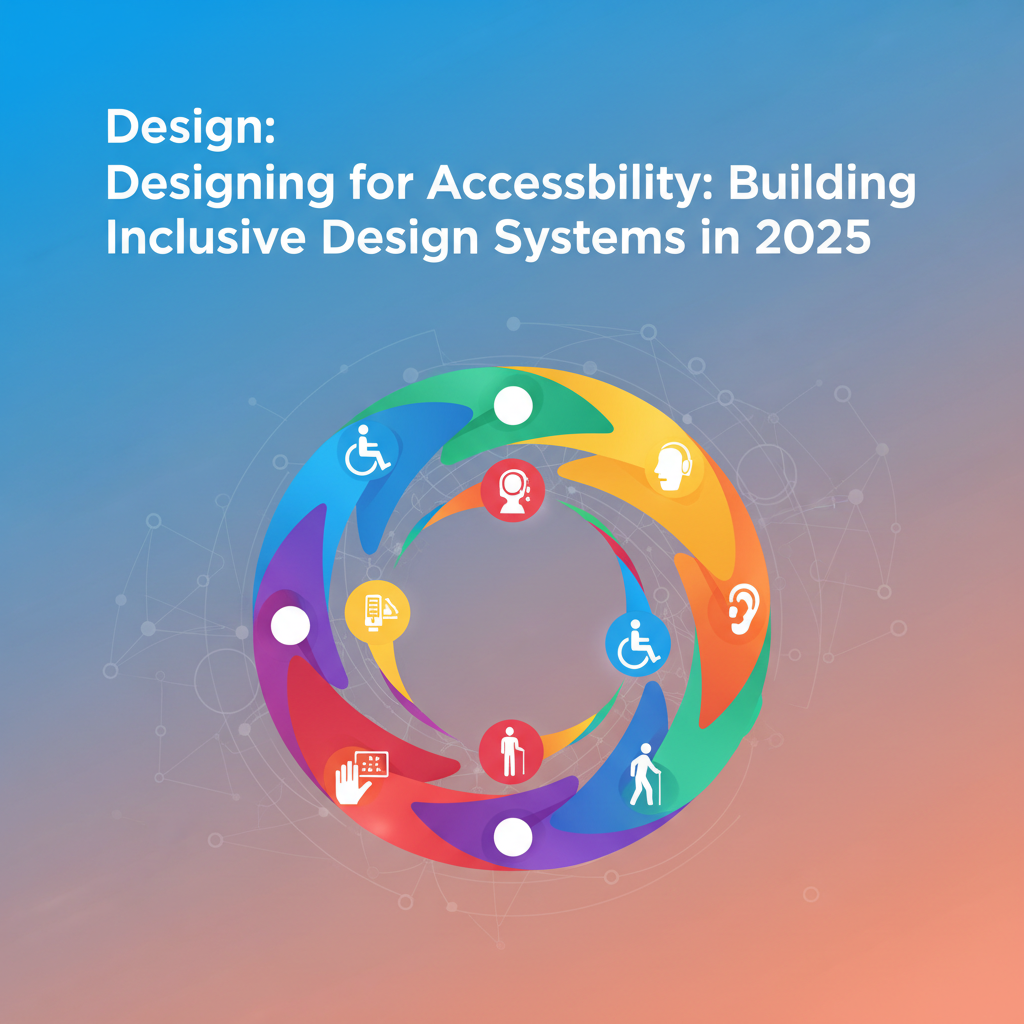
Designing for Accessibility: Building Inclusive Design Systems in 2025
In 2025, creating accessible and inclusive design systems is more crucial than ever. As businesses strive to reach a broader audience, integrating accessibility into design processes not only meets legal requirements but also enhances user experience and brand reputation.
The Importance of Accessible Design Systems
Accessible design systems ensure that digital products are usable by individuals with diverse abilities, including those with visual, auditory, motor, and cognitive impairments. By prioritizing accessibility, businesses can:
- Expand Market Reach: Catering to a wider audience increases potential customer base.
- Enhance User Experience: Inclusive designs lead to more intuitive and satisfying interactions.
- Improve SEO: Accessible websites often rank higher in search results, driving more traffic.
- Strengthen Brand Reputation: Demonstrating social responsibility fosters trust and loyalty among customers.
Key Trends in Accessible Design Systems for 2025
1. AI-Powered Accessibility Features
Artificial intelligence is revolutionizing accessibility by automating tasks such as generating alt text for images, providing real-time captioning, and personalizing user interfaces based on individual needs. These advancements enable designers to create more inclusive experiences efficiently. (medium.com)
2. Modular Design Systems and Tokenization
Design tokens—platform-agnostic variables like color, spacing, and typography—are becoming integral to scalable and consistent design systems. They allow for easy updates and ensure uniformity across various platforms, enhancing both accessibility and usability. (design-ui.com)
3. Proactive Accessibility Testing and Auditing
Integrating accessibility checks into the design and development workflow ensures that issues are identified and addressed early. Automated tools combined with manual testing involving diverse users lead to more effective and inclusive products. (medium.com)
4. Context-Aware and Personalized Interfaces
Design systems are evolving to support dynamic and personalized user experiences. Adaptive components and modular content allow interfaces to adjust based on user context, preferences, and data, creating more intuitive and accessible interactions. (understanding-design-systems.pages.dev)
Building an Inclusive Design System: Practical Steps
Creating an accessible design system involves several key steps:
- Conduct User Research: Engage with a diverse group of users, including those with disabilities, to understand their needs and challenges.
- Define Accessibility Standards: Establish clear guidelines based on WCAG (Web Content Accessibility Guidelines) to ensure compliance and consistency.
- Develop Modular Components: Create reusable, adaptable components that can be easily customized to meet various accessibility requirements.
- Implement Design Tokens: Utilize design tokens to manage and maintain consistent design elements across platforms.
- Integrate Accessibility Testing: Incorporate both automated and manual testing into the development process to identify and resolve accessibility issues promptly.
- Provide Documentation and Training: Offer comprehensive documentation and training to ensure that all team members understand and adhere to accessibility standards.
Conclusion
In 2025, accessible design systems are not just a trend but a necessity for businesses aiming to create inclusive and user-friendly digital products. By embracing AI-powered features, modular design, proactive testing, and personalized interfaces, companies can build systems that cater to a diverse audience, enhancing user experience and driving business success.
Tags
- accessible-design
- design-systems
- ai-in-design
- inclusive-design
- user-experience
Estimated Read Time
5 minutes
Related Articles
Top 3 Design Mistakes Costing You Clients
Avoid these common design pitfalls to enhance user experience and boost client retention.
Embracing Imperfection: Design Trends Shaping 2026
Discover how embracing imperfection in design is revolutionizing user experiences in 2026.
AI-Powered Design Systems: The Future of Scalable Branding
Discover how AI is revolutionizing design systems, enabling businesses to create consistent, scalable brand experiences across all digital touchpoints.
Comments (0)
No comments yet. Be the first to comment!