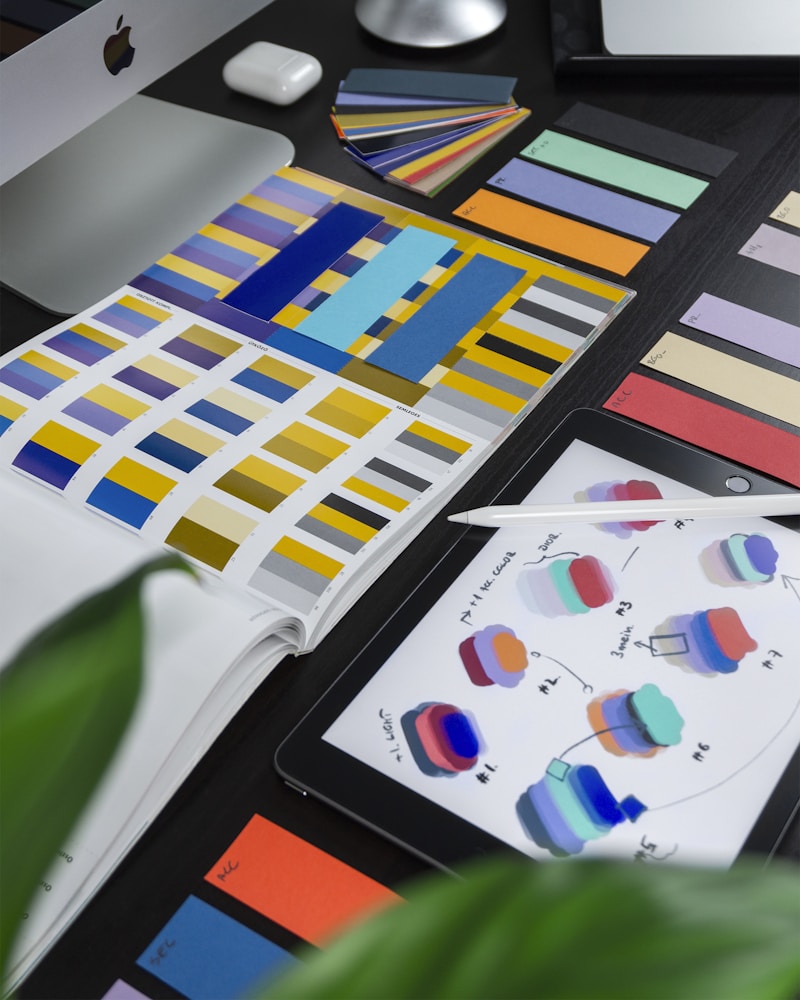
AI-Powered Design Systems: The Future of Scalable Branding
AI-Powered Design Systems: The Future of Scalable Branding
In today's digital landscape, maintaining brand consistency across multiple platforms has become increasingly challenging. Enter AI-powered design systems—a game-changing approach that's transforming how businesses create and maintain their visual identity.
What Are AI-Powered Design Systems?
AI-powered design systems combine traditional design tokens with machine learning algorithms to automatically generate, adapt, and optimize design elements. These systems learn from your brand guidelines and user interactions to create cohesive experiences.
Key Benefits
1. Consistency at Scale
- Automatically generate design variations that align with brand guidelines
- Ensure color accessibility across all components
- Maintain typography hierarchy without manual intervention
2. Adaptive Personalization
- AI analyzes user behavior to optimize layouts
- Dynamic color schemes based on user preferences
- Responsive design elements that adapt to context
3. Efficiency Gains
- Reduce design time by up to 60%
- Automatic generation of design documentation
- Real-time design system updates across all properties
Implementation Strategy
Phase 1: Foundation Start by documenting your existing brand guidelines and design tokens. Feed this information into an AI design platform that can learn your brand's visual language.
Phase 2: Automation Implement automated design generation for common components like buttons, cards, and forms. Let the AI handle variations while maintaining brand consistency.
Phase 3: Optimization Use AI analytics to understand which design patterns perform best with your audience and continuously refine your system.
Real-World Impact
Companies implementing AI-powered design systems report:
- 60% reduction in design iteration time
- 40% improvement in brand consistency scores
- 50% faster time-to-market for new features
Getting Started
- Audit Your Current Design System - Document all existing components and patterns
- Choose the Right AI Tools - Platforms like Figma AI, Adobe Sensei, or custom solutions
- Start Small - Begin with automating simple components before expanding
- Measure and Iterate - Track consistency metrics and user feedback
The Bottom Line
AI-powered design systems aren't just a trend—they're becoming essential for businesses that want to scale their digital presence without sacrificing quality or consistency. The investment in AI design tools pays dividends in efficiency, consistency, and ultimately, better user experiences.
Related Articles
Harnessing AI Automation: Practical Strategies for Business Owners in 2026
Explore actionable insights on AI automation trends and implementation tips to enhance business efficiency in 2026.
Embracing Imperfection: Design Trends Shaping 2026
Discover how embracing imperfection in design is revolutionizing user experiences in 2026.
Designing for Accessibility: Building Inclusive Design Systems in 2025
Explore the latest trends in accessible design systems and learn how to create inclusive, user-friendly interfaces for diverse audiences.
Comments (0)
No comments yet. Be the first to comment!